
Car A/C & Maintenance
How Modesto's Summer Heat Wears Down Your Car, and the Fix
Published by Sam's Complete Auto
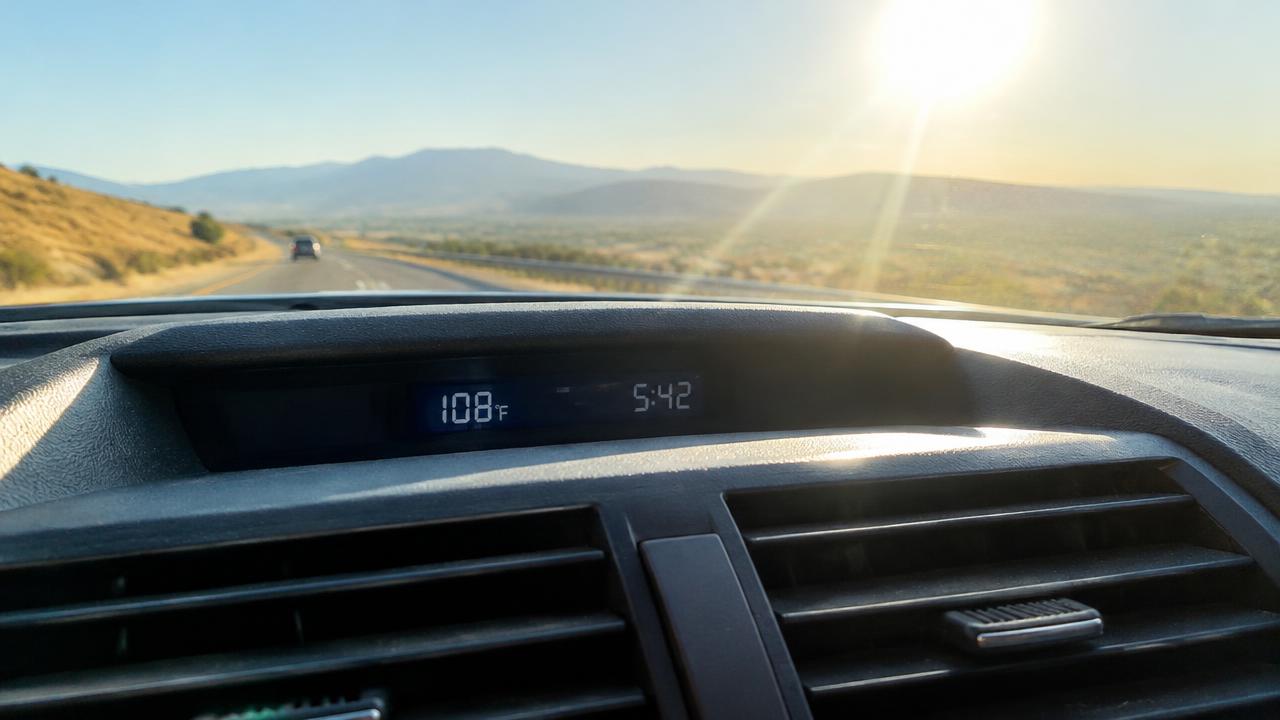
Definition: Summer heat car care is the set of maintenance checks that protect a vehicle's battery, cooling system, air conditioning, tires and fluids from the damage caused by sustained high temperatures. In the Central Valley, it is preventive work that pays for itself.
Heat, not cold, kills most batteries
Many drivers assume batteries die in winter, because that's when a weak one finally refuses to start the car. The damage usually happened months earlier. High temperatures speed up the chemical reactions inside a lead-acid battery, which accelerates corrosion and evaporates electrolyte. A battery that endured a Modesto July may be quietly weakened by October.
A quick load test during an oil change tells you how much life is left. Clean terminals and a secure hold-down bracket help too, since vibration and corrosion compound heat damage.
The cooling system carries the load
Your engine's cooling system works hardest when the outside air is already hot and the car is idling with little airflow through the radiator. Coolant degrades over time and loses its corrosion protection. Hoses soften, clamps loosen and radiator fins clog with dust and insects.
Before summer, check the coolant level in the overflow tank with the engine cold, look for wet spots or crusty residue around hoses and make sure the cooling fans switch on when the engine warms up. If the temperature gauge climbs above its normal position in traffic, have the system inspected before it becomes a roadside problem.
Car A/C in the Central Valley, explained.
Air conditioning isn't a luxury in Stanislaus County. When cabin temperatures rise sharply on a parked car, a working A/C system is a safety feature for children, older passengers and pets.
At Sam's Complete Auto, A/C diagnosis starts with gauges on the high and low sides of the system, followed by a leak search using dye and an electronic detector. We check the compressor clutch, the condenser fan and the blower circuit. If a recharge is all the system needs, that is what you'll pay for. If a component has failed, we show you which one.
Spring is the best time for this check, before the first heat wave fills every shop's schedule.
Tires and hot pavement
Tire pressure rises as tires heat up and falls as they cool. A tire set correctly on a cool morning may run overinflated by mid-afternoon, and a tire that is already low gets hotter still, because underinflation increases flexing. Heat and underinflation together are a leading recipe for blowouts.
Check pressures when the tires are cold, using the numbers on the door-jamb placard rather than the maximum printed on the sidewall. Look for cracks in the sidewall, especially on vehicles that sit in the sun for long periods.
Fluids that thin and age faster
Engine oil, transmission fluid, brake fluid and power steering fluid all age faster at high temperatures. That's why many owner's manuals list severe-service intervals for vehicles operated in extreme heat or dusty conditions, which describes a large share of Modesto driving.
Engine air filters deserve a mention too. Dust from harvest season and unpaved farm roads clogs filters quickly, reducing performance and fuel economy. A visual check at each oil change is enough to know when it's time.
Inside the cabin
Dashboards and seats suffer under direct sun. A windshield shade lowers cabin temperatures and protects the dash from cracking. Never leave aerosol cans, lighters or medications in a parked car, and never leave children or pets inside, even briefly. Cabin temperatures can climb to dangerous levels within minutes.
Keep a water bottle, a phone charger and a small first-aid kit in the car during summer. If a breakdown happens on a hot afternoon, those basics make the wait much safer.
A Modesto pre-summer checklist
Ten minutes of checking in April can prevent an expensive call in August.
- Battery load test and clean terminals
- Coolant level and hose inspection
- A/C performance check before the first heat wave
- Tire pressure set cold, sidewalls inspected
- Engine air filter checked for dust
- Wiper blades replaced if streaking from sun damage
Fuel economy in hot weather
Running the air conditioning does reduce fuel economy, but at highway speeds an open window can create enough aerodynamic drag to cancel out the savings. The U.S. Department of Energy's fuel economy guidance suggests a few habits that help in summer: park in the shade, vent the cabin for a minute before switching on the A/C and avoid excessive idling.
Keeping tires properly inflated and replacing a clogged air filter also help. Small adjustments add up over a long Central Valley summer of commuting.
When to stop driving
Some warning signs mean you should pull over safely and turn off the engine. A temperature gauge in the red, steam from under the hood, a sweet smell of coolant or a flashing check engine light all qualify. Continuing to drive an overheating engine can warp the cylinder head and turn an inexpensive hose replacement into a major repair.
Never open a hot radiator cap. Let the engine cool completely, then check the coolant level in the overflow reservoir. If you're unsure, call for help rather than guessing on the side of a busy highway.
Sources
- U.S. Department of Energy, "Keeping Your Vehicle in Shape," FuelEconomy.gov, accessed November 6, 2026, .https://www.fueleconomy.gov/feg/maintain.jsp.
- National Highway Traffic Safety Administration, "Tire Safety," accessed November 6, 2026, .https://www.nhtsa.gov/equipment/tires.
- AAA, "Automotive Repair and Maintenance," accessed November 6, 2026, .https://www.aaa.com/autorepair/.
- Car Care Council, "Car Care Guide," accessed November 6, 2026, .https://www.carcare.org/.
Quick answers
How often should I check tire pressure in summer?
At least once a month and before long trips. Check when the tires are cold for an accurate reading.
Does running the A/C hurt my engine?
A healthy A/C system adds a modest load that engines are designed to handle. If the engine temperature rises when the A/C is on, the cooling system needs attention.
Should I use a different oil in summer?
Use the grade your owner's manual specifies. Most modern multi-grade oils are designed to protect across a wide temperature range.