Brake & Lamp Inspection
Getting a Brake and Lamp Certificate in Modesto, Step by Step
Published by Sam's Complete Auto
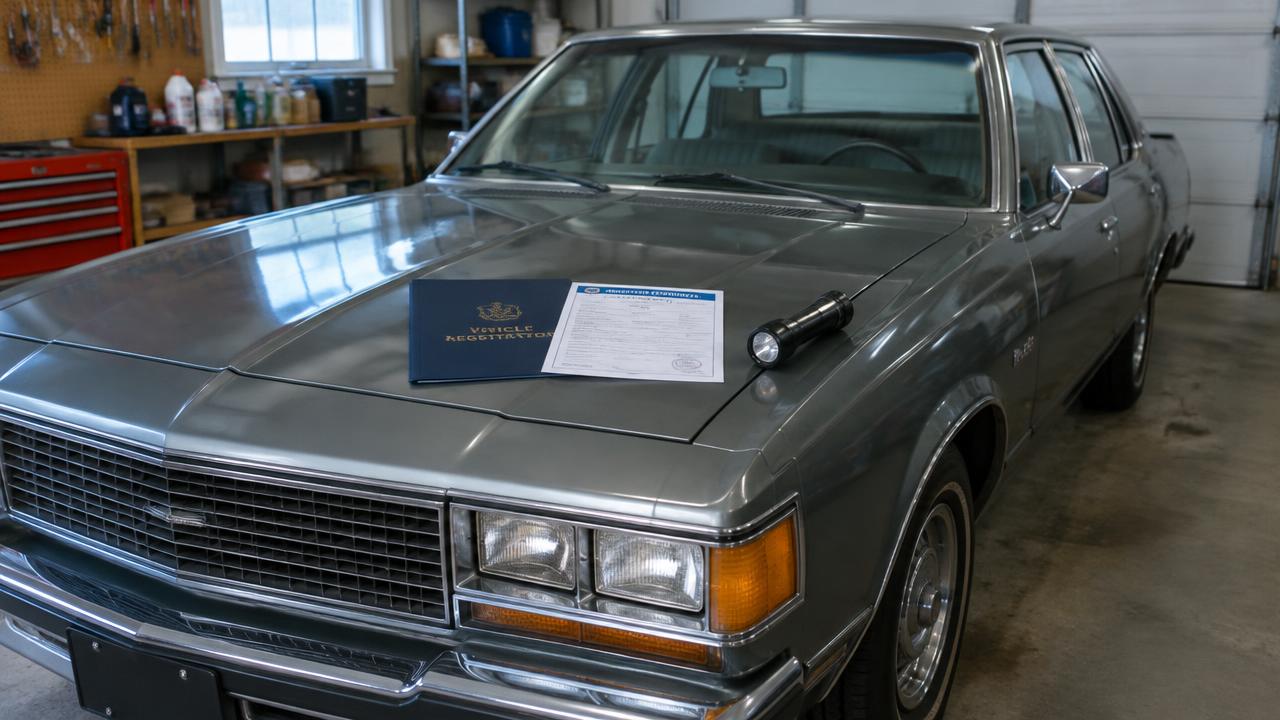
Definition: A brake and lamp certificate is the official California document confirming that a licensed station inspected a vehicle's brakes and exterior lights and found them to meet state standards. The DMV usually requires it before it will register a salvage or revived vehicle.
Why the DMV asks for this certificate
When an insurer declares a car a total loss, the title is branded salvage. Rebuilding the car does not erase that brand, and the state wants independent proof that the parts most likely to hurt someone, the brakes and the lights, were put back correctly. The brake and lamp certificate is that proof. It is issued by stations the Bureau of Automotive Repair licenses for this specific work.
The certificate is also requested in a second, less obvious situation. If a police officer writes a correction notice for a burned-out headlamp, a missing third brake light or brakes that seemed unsafe during a stop, the court or the DMV can require a certificate to clear the notice. In both cases the paper says the same thing: a licensed inspector looked, measured and signed.
For Modesto drivers, the practical consequence is simple. A car with a salvage title cannot be legally driven on registration plates until this step is done, so the inspection usually sits right at the end of a long rebuild, when patience is shortest.
What inspectors check on the brake side
The brake portion is a hands-on mechanical inspection, not a quick look through the wheel spokes. Inspectors generally remove at least one wheel per axle and measure friction material and rotor or drum thickness against the vehicle manufacturer's minimums. They look at flexible hoses for cracking and bulging, and at steel lines for corrosion. They confirm that the master cylinder holds pressure and that fluid is at the proper level.
Then the car is driven. A good stop is straight, smooth and repeatable. If the vehicle pulls hard to one side, shudders or needs excessive pedal travel, it fails. The parking brake must hold the car on its own.
- Pad, shoe, rotor and drum thickness measured to spec
- Hoses and steel lines inspected for leaks and damage
- Master cylinder and fluid condition checked
- Parking brake tested for holding power
- Road test for straight, consistent stops
What inspectors check on the lamp side
Every exterior light that the vehicle was built with must work, and it must be the correct color. Headlamps are checked on both beams and aimed with an alignment tool, because a properly working headlamp pointed into oncoming traffic is still a hazard. Taillamps, brake lamps including the center high-mount lamp, turn signals, hazard flashers, reverse lamps, side markers and the license-plate lamp are all part of the test.
This is where rebuilt cars most often stumble. Aftermarket headlamp assemblies sometimes lack the required markings, tinted lens covers can dim output below the legal minimum, and repairs to a damaged rear quarter can leave a side marker unplugged. None of these problems are expensive, but each one is an automatic fail.
Brake and lamp inspections in south Modesto, explained.
Sam's Complete Auto is at 819 S 9th St, Building D, close to Hwy 99 and the Crows Landing Rd corridor. Owners bring rebuilt cars from across Stanislaus County, including Ceres, Turlock and Riverbank, because the shop combines the inspection with the repair work that a failed item usually needs.
That combination matters. Many inspection-only stations will fail a car, hand back a list and send the owner to find a separate mechanic, which means a second appointment, a second drive and often a second inspection fee. When the same bay can swap the pad set, re-aim the headlamp or replace a bulb socket, the process collapses into one visit. A recent customer mentioned being retested at no charge after the repairs were completed.
One note on names: Sam's Complete Auto is not Sam's Auto Repair LLC at 500 9th St N. They are different businesses on different ends of 9th Street. Check the address before you drive over.
How to prepare before you book
A little preparation saves real money. Walk around the car at dusk with a helper and confirm every light works. Press the brake pedal and have your helper check all three brake lamps. Turn on the hazards and look at each corner. Check the license-plate lamp, which is easy to forget.
Next, listen to the brakes. A steady squeal at low speed usually means the wear indicators are touching the rotor. Grinding means the pad is gone and the rotor is being damaged. Either sound almost guarantees a failure, so it is cheaper to address it before the inspection than after.
- Gather your DMV forms, the salvage certificate and any correction notice
- Bring photo ID and the key for any locking lug nuts
- Remove tinted lamp covers or aftermarket lens films
- Make sure the parking brake releases and holds
- Plan to leave the car for part of the day
What a failed inspection really costs
Owners often fear the word fail, but a failed brake and lamp inspection is just a list of items. The inspector notes what did not meet the standard, and the vehicle can be retested once those items are corrected. For most rebuilt cars the list is short: a bulb, a headlamp aim adjustment, a pad set, a sticky caliper slide.
The real cost of a failure comes from delay. Every week a rebuilt car sits unregistered is a week its owner keeps paying for alternative transportation, storage or insurance on a vehicle that cannot be driven. That is why we recommend booking the inspection at a shop that can also repair the car.
After the certificate: finishing registration
Once the car passes, you receive the certificate. Take it, along with the rest of your documents, to the DMV. Depending on the vehicle and its history, the DMV may also require a smog certification, a vehicle verification and payment of registration fees and any penalties. The California DMV publishes the current list of requirements for salvage and revived vehicles, and it is worth reading before your appointment, since rules can change.
Keep a copy of the certificate with the car's records. If you ever sell the vehicle, documented inspections and receipts show the next owner that the rebuild was done carefully, and that can help the resale value of a branded-title car.
Common mistakes we see on rebuilt cars
The most common mistake is installing replica headlamp assemblies that look correct but lack the required DOT markings. They may be bright, but they can fail on markings or beam pattern alone. Another frequent problem is mixed brake parts, such as performance pads on one axle and economy pads on the other, which can make the car pull or stop unevenly.
Wiring repairs after collision damage cause the third major category of failures. A taillamp that works with the headlamps off but goes dim with them on usually points to a bad ground. Side markers and plate lamps are often left unplugged after a bumper replacement. These are small problems, but finding them requires patience and a meter rather than guesswork.
Finally, many owners forget the parking brake. Rear calipers with integrated parking mechanisms seize when a car sits for months during a rebuild. Exercising the parking brake a few times before the inspection, or having the mechanism serviced, prevents an otherwise avoidable failure.
Choosing the right station in Stanislaus County
Ask three questions before you book. First, is the station licensed by the Bureau of Automotive Repair for brake and lamp inspections? Second, does the shop perform repairs itself, or will it send you elsewhere after a failure? Third, what does a retest cost once repairs are made?
Honest answers to those questions will tell you more than any advertisement. A good station explains exactly what failed and why, shows you the worn parts and never pressures you into work the inspection did not call for.
Sources
- California Department of Motor Vehicles, "Vehicle Registration," accessed November 6, 2026, .https://www.dmv.ca.gov/portal/vehicle-registration/.
- California Bureau of Automotive Repair, "Consumer Information," accessed November 6, 2026, .https://www.bar.ca.gov/.
- National Highway Traffic Safety Administration, "Vehicle Safety: Brakes and Lighting," accessed November 6, 2026, .https://www.nhtsa.gov/vehicle-safety.
- Car Care Council, "Brakes," accessed November 6, 2026, .https://www.carcare.org/.
Quick answers
How long does a brake and lamp inspection take?
The inspection itself is usually completed in a few hours. If repairs are needed, plan for the car to stay longer, depending on parts availability.
Do I need a brake and lamp certificate for a car bought out of state?
Not usually, unless the car carries a salvage brand or the DMV flags it. The DMV will tell you which inspections your specific vehicle requires.
Can a brake and lamp inspection be done on a motorcycle?
Some stations inspect motorcycles. Call 209-918-2892 to confirm before bringing one to Sam's Complete Auto.